Drink performance
Compare color, aroma, texture and tea presence in the intended recipe, including milk, sweetener, ice and serving size.
Café Matcha & Tea Drinks
Develop matcha lattes, iced tea, milk tea and cold brew around the cup your customer sees—and the recipe, workflow and cost your team must repeat.
What We Develop
A tea can taste good on its own and still fail in milk, ice or a busy bar. The development path tests the finished drink under the conditions in which it will be sold.
Compare color, aroma, texture and tea presence in the intended recipe, including milk, sweetener, ice and serving size.
Review dosage, preparation time, holding method and staff steps so the drink can be made consistently during service.
Estimate tea dosage and pack format against the target selling price before moving to a larger opening order.
Tea Directions
The shortlist depends on the recipe and position of the drink. These are the most relevant starting points for a modern café menu.
For hot or iced lattes, whisked service, bakery and premium powder products.
Review Chinese Matcha →For fragrant cold brew, sparkling tea, fruit tea and clean straight-tea service.
Review Jasmine Green Tea →For milk tea, breakfast drinks and recipes that need tea presence after milk is added.
Review Black Tea →A Focused First Project
A narrow opening scope makes the important decisions visible: which tea survives milk and ice, what recipe staff can repeat, and whether the drink works at the intended selling price.
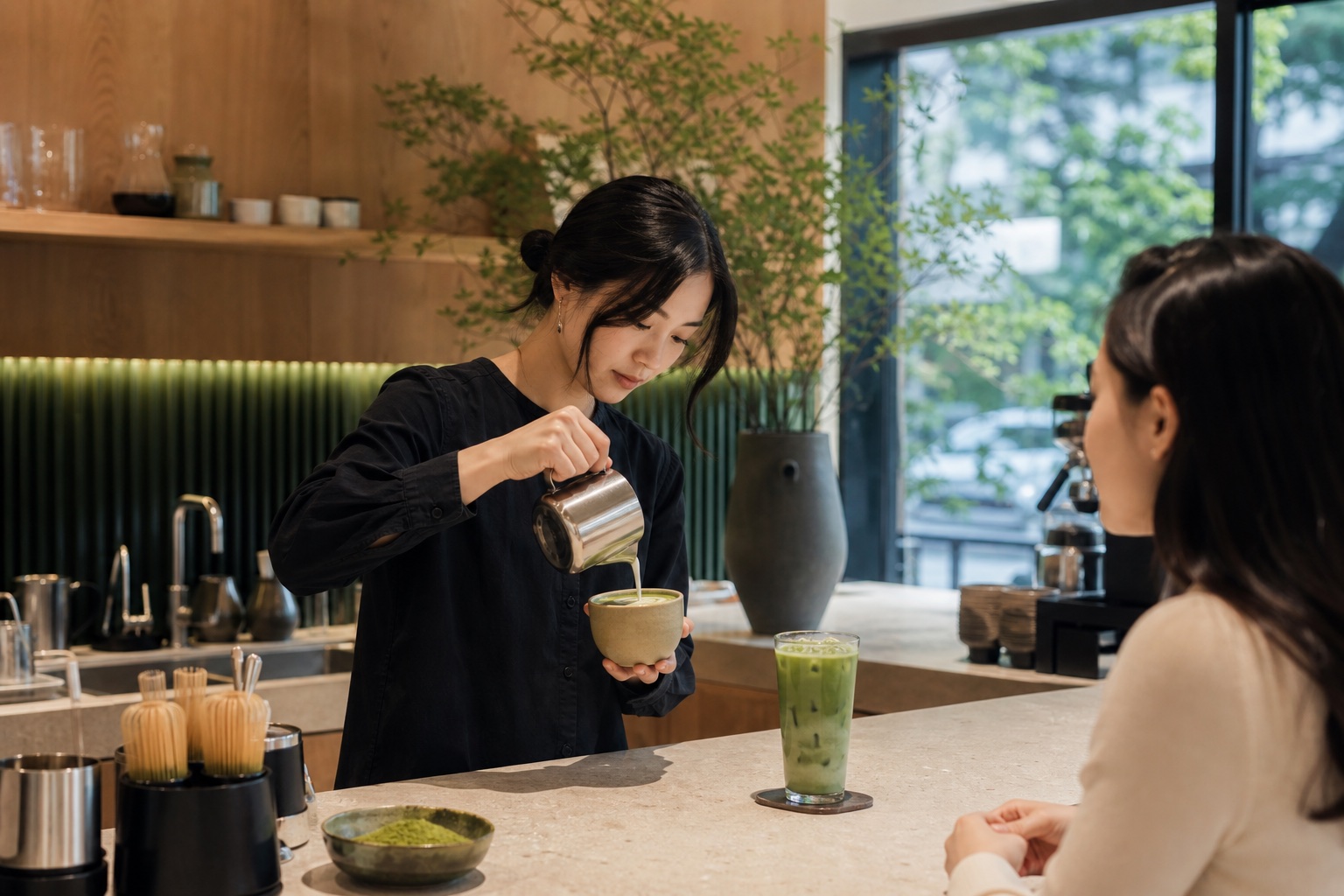
Define cup size, milk, sweetness, target selling price, expected daily volume, equipment and the visual result customers should recognise at the counter.
Compare dry and finished color, aroma, bitterness, mouthfeel, tea presence after milk, dosage, preparation time and settling. The purpose is to choose for the drink—not to rank powder in isolation.
Confirm the recipe range, service method, pack size, indicative tea cost per cup, opening quantity and the reorder point that fits the expected sales rhythm.
Development Path
Begin with one or two priority drinks. A focused first scope produces clearer decisions than testing a large, unfocused tea catalogue.
Share recipe, cup size, milk, sweetener, selling price, volume and launch timing.
Receive tea directions matched to the application and the decisions the sample test must answer.
Compare candidates using one controlled recipe and record cup quality, workflow and dosage.
Confirm the selected tea, pack format, quantity, documentation and reorder path.
Start With One Drink
Share the drink format, market, expected volume and target launch date. We will reply with the most relevant testing path and the information still needed.