Product Knowledge
Understand the tea before you choose the lot.
Use these six application-led guides to compare product roles, cup direction, evaluation priorities, packaging questions, and the next commercial decision.
Early product comparison and brief preparation. Final origin, grade, lot, reports, availability, price and shipping scope are confirmed against the selected option.
Six Product Directions
Go directly to the product you are considering.
Each guide leads back to a product page and a pre-selected Product Brief.
01 · Flagship Application Tea
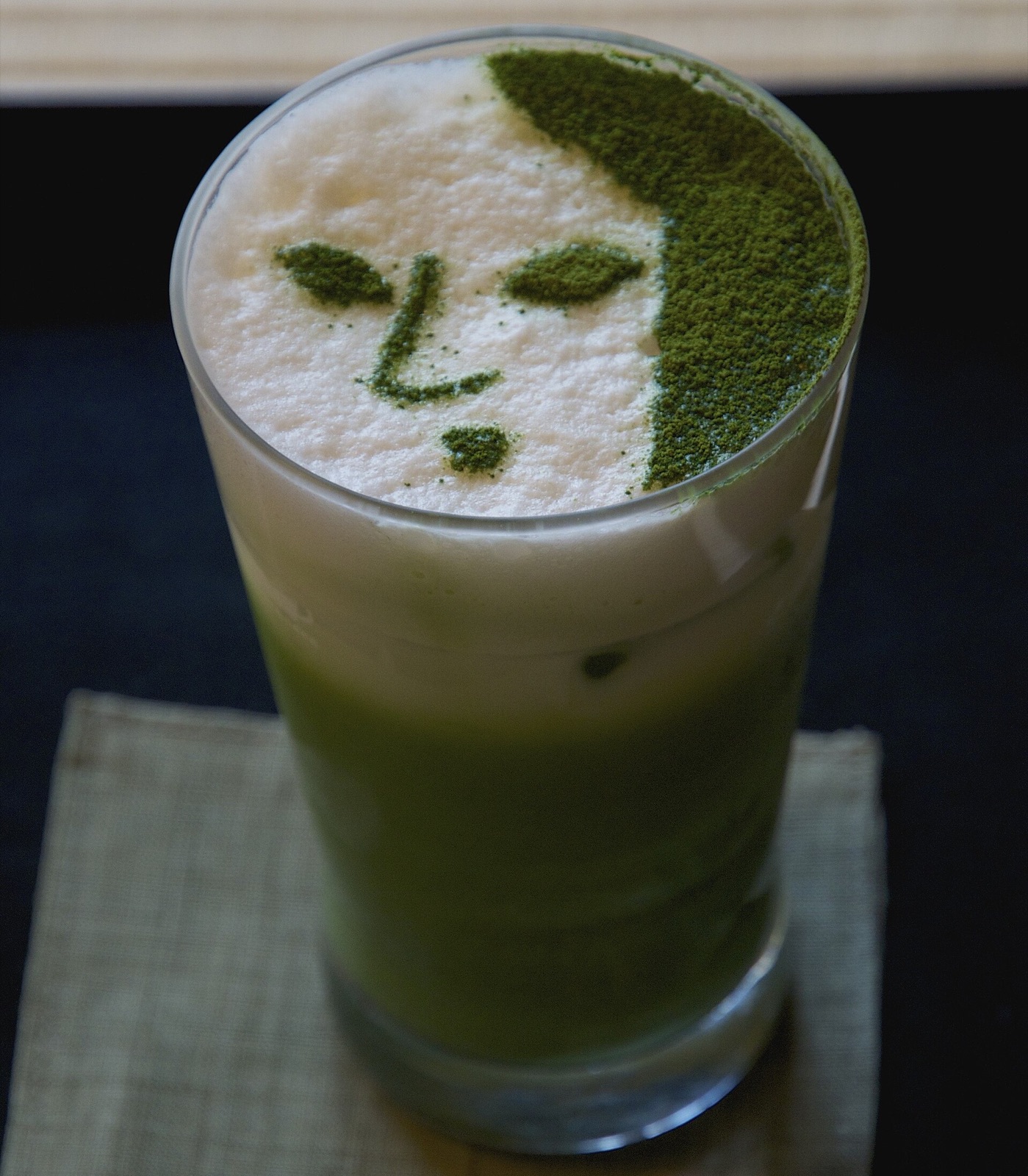
Chinese Matcha
Do not select matcha by a vague grade name alone. Select it by the job it must perform: stay visible in milk, remain present in bakery, or deliver a refined straight-whisked cup.
Evaluate: colour in the actual recipe, bitterness, aroma, texture, dosage, sediment, processing performance and pack barrier.
Ask before ordering: which lot was sampled, how it is packed, what product information is available, and whether the same direction is available for a pilot.
02 · Hengzhou, Guangxi
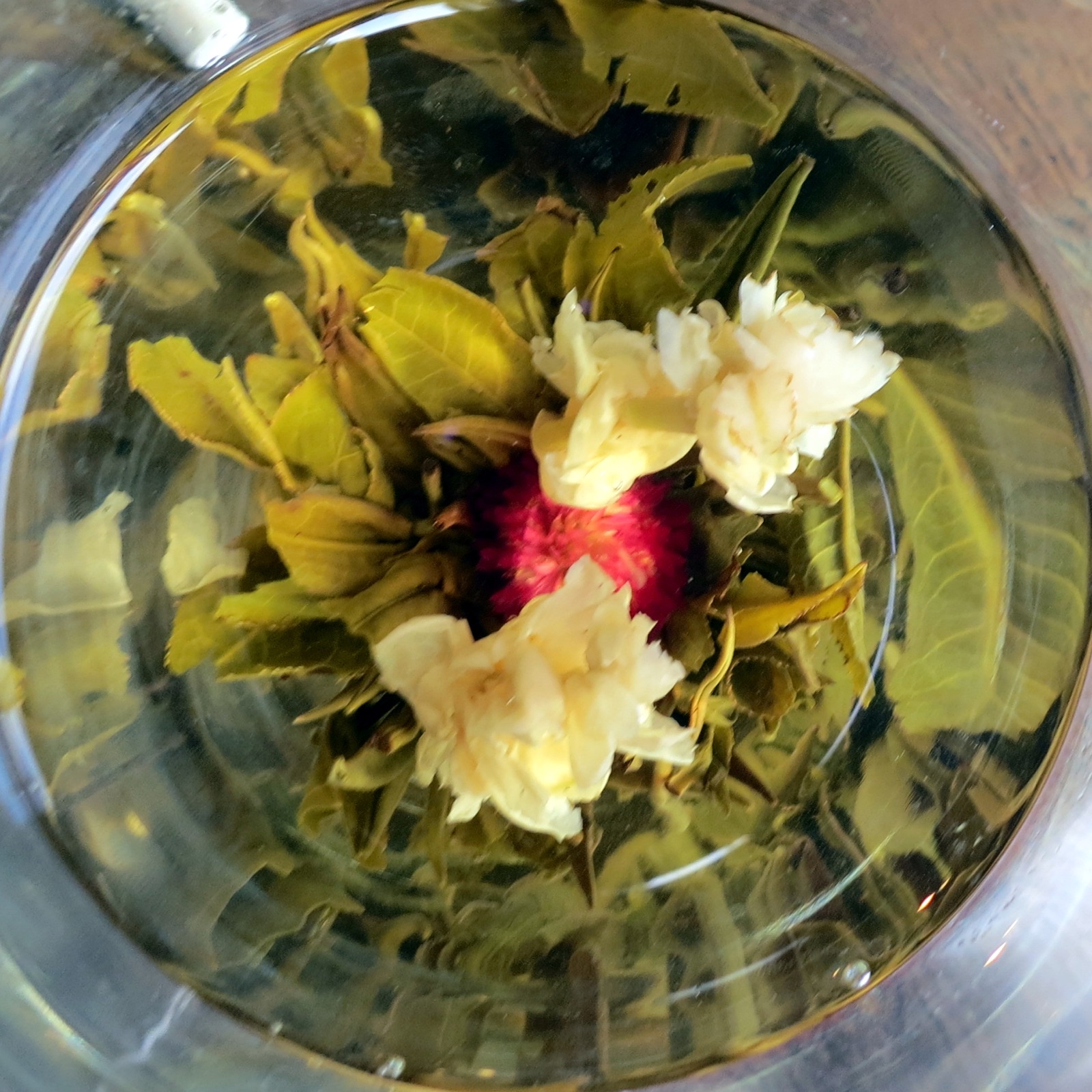
Jasmine Green Tea
A jasmine tea decision combines the flower aroma with the quality of the green-tea base. For hospitality and cold service, clarity, balance and aroma retention matter as much as first-opening fragrance.
Evaluate: scent clarity, base-tea smoothness, liquor colour, bitterness, hot/cold performance and aroma after normal handling.
Ask before ordering: scenting or ingredient description, lot information, pack barrier, brewing guidance and destination documents.
03 · Service and Private Label
Milk-Compatible Black Tea
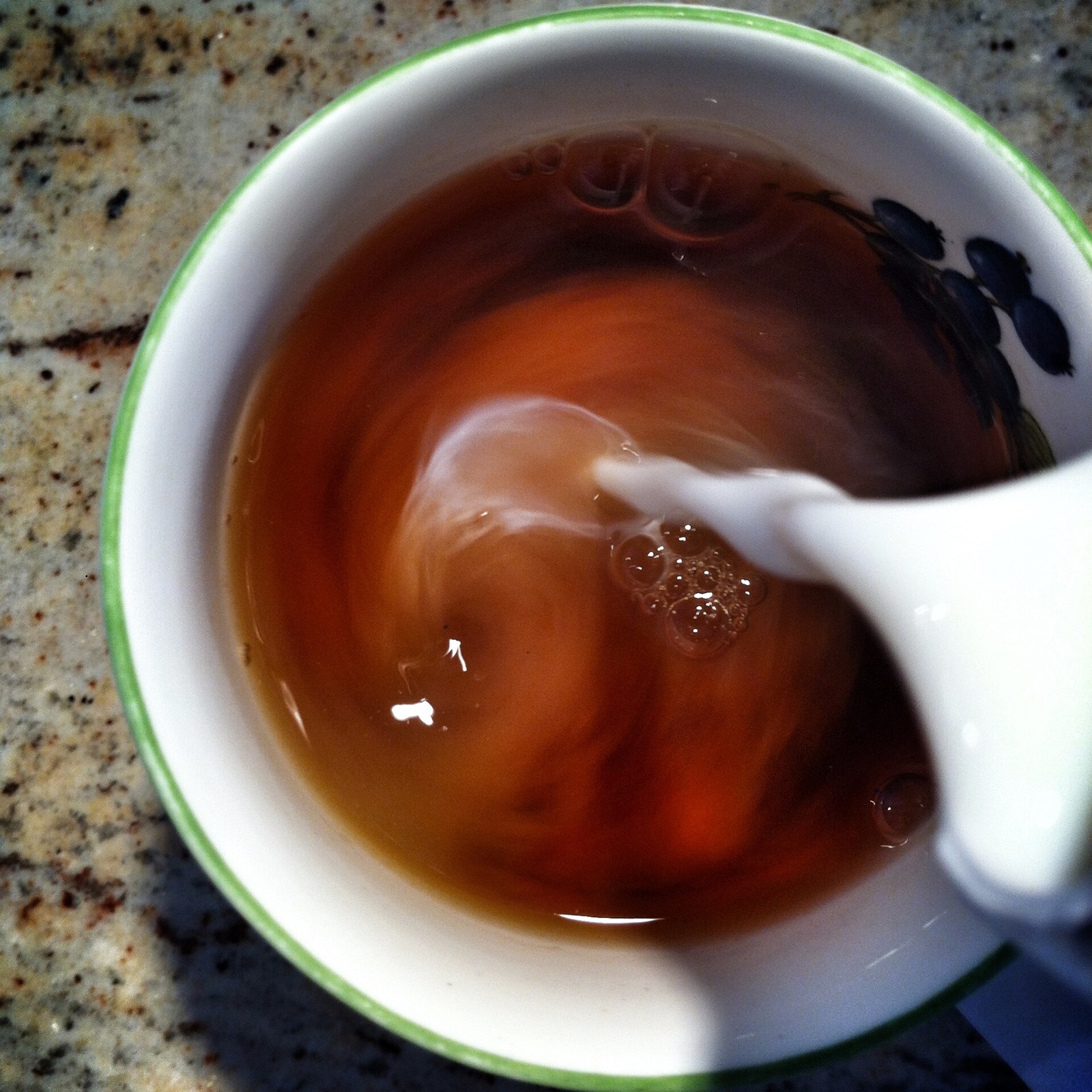
A tea that works plain may disappear in milk. Evaluate the actual serving recipe and decide whether the product needs Keemun elegance, Yunnan body, or a practical broken-leaf service direction.
Evaluate: brew strength, liquor colour, aroma, bitterness, milk balance, sweetener balance, cut size and repeatability.
Ask before ordering: tea type, grade direction, brew method, food-service or retail pack, lot information and monthly volume.
04 · Premium Green Tea
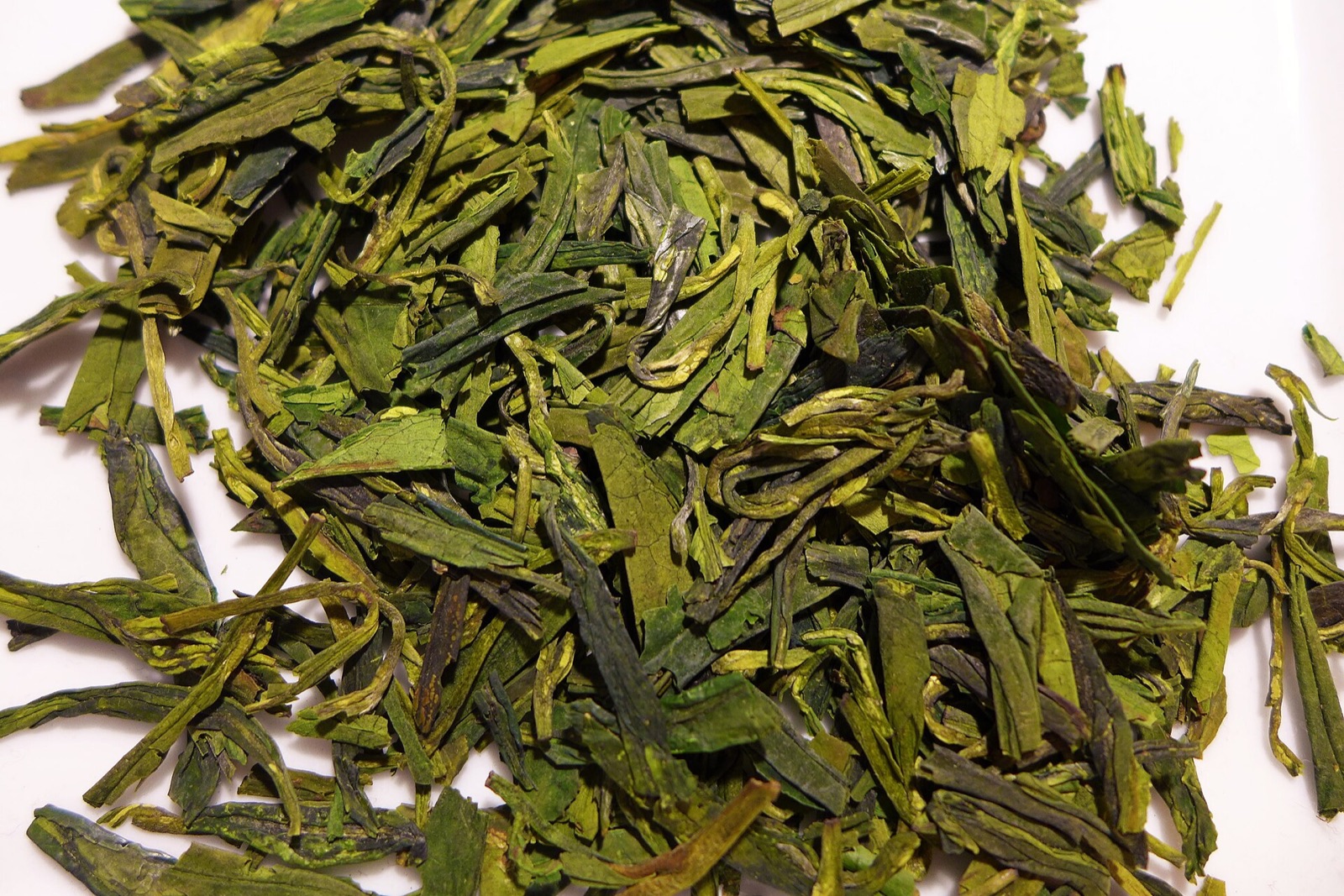
Zhejiang Longjing
The name alone does not define the product. Origin direction, picking standard, processing, storage and freshness determine the leaf appearance, aroma and premium position.
Evaluate: flat-leaf appearance, aroma, cup clarity, sweetness, bitterness, freshness and consistency with the stated grade.
Ask before ordering: exact origin wording, harvest and grade definition, storage, available reports, protective pack and replacement-lot process.
05 · Wuyi Rock Oolong
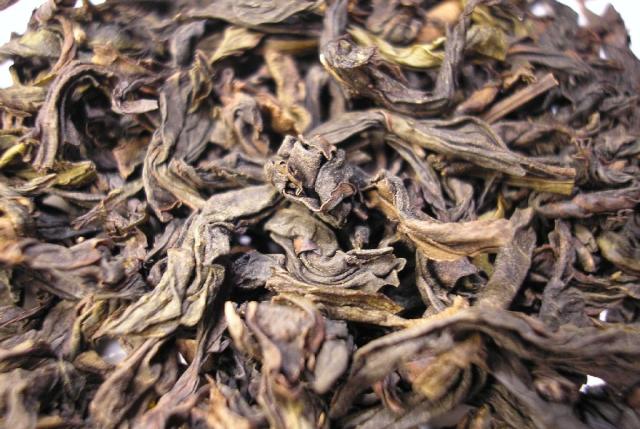
Da Hong Pao
Da Hong Pao becomes commercially clear when roast direction, aroma, mineral character, infusion performance and origin communication work together.
Evaluate: roast clarity, aroma, body, mineral finish, bitterness, aftertaste and consistency across multiple infusions.
Ask before ordering: exact product and origin description, roast information, grade logic, brewing guidance, pack size and gift or service format.
06 · Personalized Tea Gift
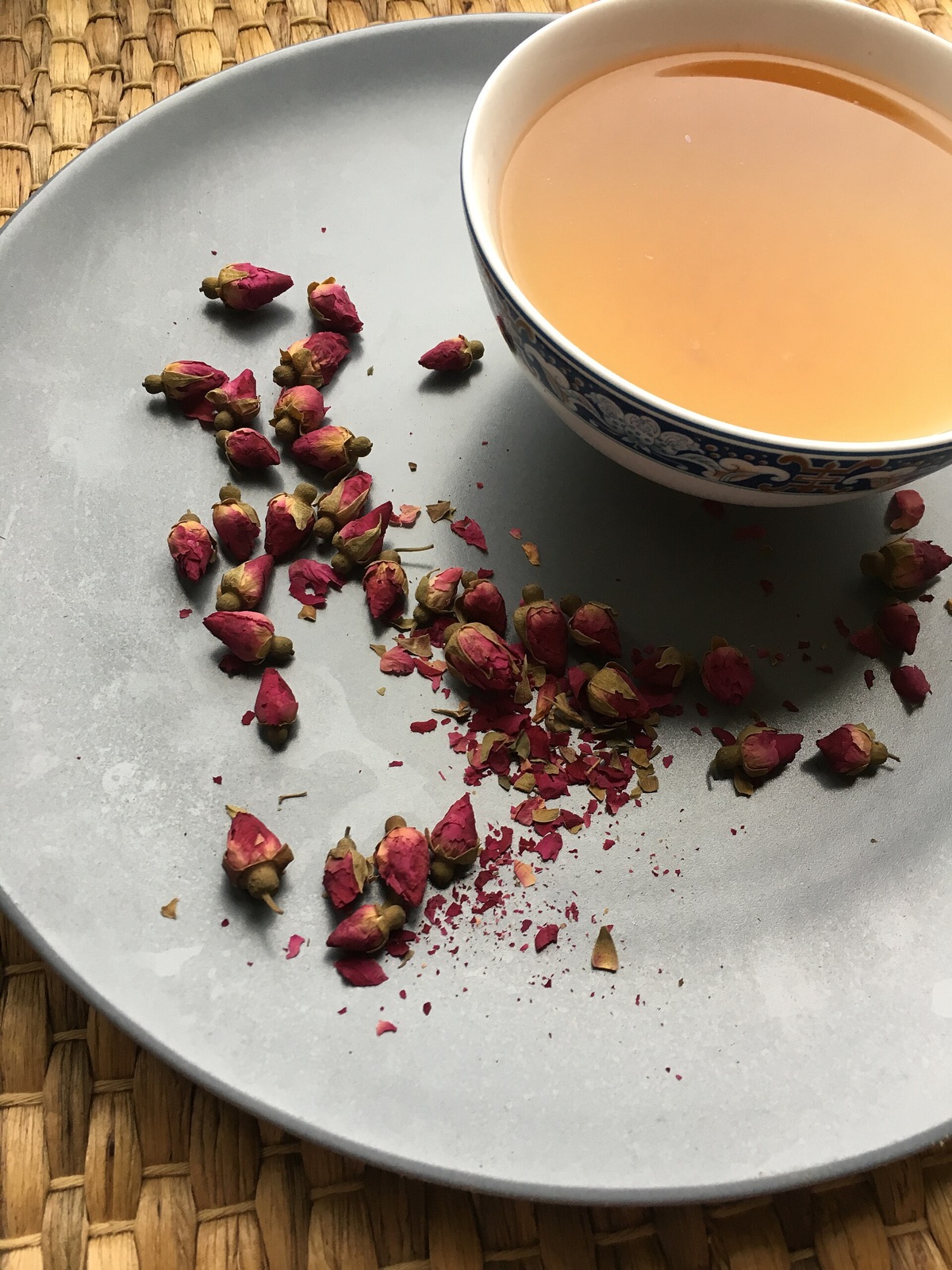
Floral Gift Blend
A gift blend is chosen for the recipient and occasion, then confirmed through a clear ingredient, aroma, taste, presentation and delivery scope.
Evaluate: known ingredients, aroma, cup character, dry-leaf appearance, brewing ease and fit with the recipient.
Ask before ordering: final ingredient and allergen information, personalization text, pack contents, approval point, price and delivery timing.